“The breath is the most sacred part of the body. It connects us to the energy of life, reminding us that every breath is a gift, a connection to the divine.” Don Miguel Ruiz (Shamanic teacher and author of “The Four Agreements”)
Breathwork. It’s one of the simplest practices available to us, yet its effects can be profoundly transformative. Rooted in ancient traditions and now embraced by modern practitioners, conscious breathing has become a powerful tool for spiritual exploration, emotional healing, and overall well-being. But breathwork is not just about the mechanics of breathing—it’s about the energy we can unlock when we consciously tap into the power of our breath.
We often think of breath as simply something that keeps us alive, but in the world of metaphysics, the breath is so much more than that. It’s often viewed as the life force energy, the Prana or Qi, flowing through every living being. Just as a river nourishes the land it flows through, the breath carries vital energy through our bodies, connecting us to the universe.
Ancient traditions, from yoga to shamanic practices, have long recognized the breath as a bridge between the physical and spiritual realms. It is through conscious breathing that we can tap into this energy and, in turn, deepen our connection with ourselves and the divine.
A Tool for Altered States and a Healing Force
One of the most fascinating aspects of breathwork is its ability to alter our state of consciousness. By changing the rhythm and depth of our breath, we can access states of mind that go beyond ordinary awareness. It’s almost like stepping through a doorway into a more expansive reality, one where the boundaries between the material world and spiritual dimensions feel much thinner.
Breathwork practices, such as holotropic breathwork or pranayama, have been known to induce altered states—experiences that can feel deeply meditative or even transcendental. In these states, many people report having spiritual visions, feeling a sense of profound oneness, or experiencing a release of pent-up emotions. For some, breathwork opens the door to the subconscious, allowing them to process old wounds and unresolved feelings that may have been buried for years.
But breathwork isn’t just for spiritual exploration—it’s also a powerful healing tool. Have you ever noticed how your breath changes when you’re anxious or stressed? Our breath tends to become shallow, rapid, and erratic when we’re in fight-or-flight mode. In contrast, when we’re calm, our breath slows, becomes deeper, and feels more grounded.
This connection between breath and emotion is something breathwork harnesses to bring healing. For example, through deep, conscious breathing, we can help release tension in the body, reduce anxiety, and lower the levels of stress hormones like cortisol. Practices like firebreath or rebirthing breathwork can even stimulate emotional release, helping to clear emotional blockages that may be preventing us from fully living in the present.
What’s remarkable is that breathwork isn’t just about feeling better in the moment; it’s about creating long-term healing. As Indian mystic and spiritual teacher Osho said, “Breathing is the most ancient way of meditation and healing. When you breathe consciously, you connect with your inner stillness and allow the presence of the divine to reveal itself.”
Breathwork and the Chakras: Aligning Our Energy
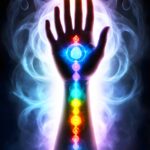
If you’re familiar with the chakra system, you know that each of our energy centers governs different aspects of our physical, emotional, and spiritual selves. The breath plays a crucial role in balancing and activating these chakras.
Imagine consciously directing your breath to each energy center—starting with the root chakra and working your way up to the crown. As you focus on each area, the breath helps clear blockages and energize these centers. For example, deep breathing into the heart chakra can encourage feelings of love, compassion, and empathy, while focusing on the solar plexuschakra can boost personal confidence and self-worth.
Breathwork helps align these energy centers, creating a sense of harmony and flow within the body. When the chakras are balanced, energy moves freely, and we feel more connected, grounded, and centered. It’s almost as if we are reconnecting to the divine blueprint that exists within us.
At its core, breathwork is about self-discovery. It’s a practice that invites us to reconnect with our inner selves, to explore the depths of our being, and to access the wisdom that resides within. In a world that often encourages us to look outward for answers, breathwork offers us a simple but powerful reminder to look inward.
When we focus on our breath, we cultivate presence. We become aware of our thoughts, feelings, and sensations without judgment. This heightened awareness allows us to observe ourselves from a place of compassion and understanding. In this space, we can begin to unravel the layers of conditioning, fears, and beliefs that no longer serve us, making room for new possibilities and deeper levels of consciousness.
In a way, conscious breathing is a gentle guide back to our authentic selves, to the inner peace and wisdom that resides in the core of our being.
Laura Lee
Healer, Teacher, and author
References:
“The Power of Breath: The Art of Breathing” by Swami Saradananda
Pranayama: The Art of Breathing” by Swami Sivananda
“The Four Agreements” by Don Miguel Ruiz
“Effects of Conscious Breathing on Mental Clarity and Stress Reduction” by Carney, C. E., et al. Published in: Journal of Alternative and Complementary Medicine (2010)
“Breathing Techniques for Stress Management and the Physiological Effects of Slow Breathing” by Brown, R. P., and Gerbarg, P. L. Published in: Journal of Clinical Psychology (2005)